
Your baby’s development
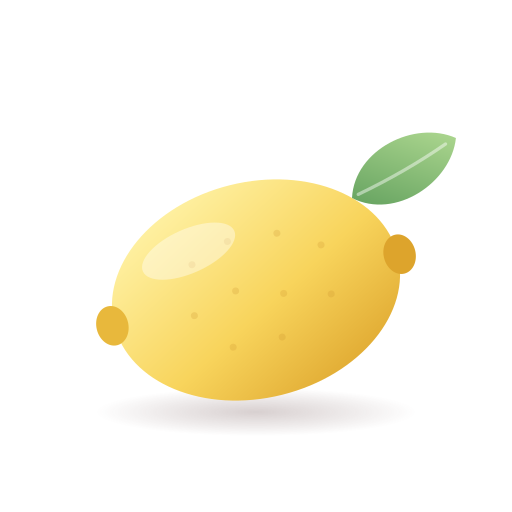
In the first week of the second trimester the baby is about as big as a lemon, 8.7 cm long and weighing around 43 grams. Rapid growth begins. Facial expressions start to appear: the baby can frown, grimace and move its mouth; these are not deliberate but reflex development of muscles and nerves. The neck becomes visible and the head looks better proportioned to the body. The body starts to be covered with fine, delicate hair (lanugo) that protects the skin. The thyroid gland begins to make hormones; the liver and spleen work. Bones harden, and the baby now has longer arms and legs. In girls the ovaries begin to move from the abdomen towards the pelvis; in boys the prostate develops. Sometimes hints of the sex show on ultrasound, but at this stage they are not certain. The baby swallows amniotic fluid and passes it back as urine; this cycle contributes to lung development.
Changes in the mother
The second trimester is often described as the most comfortable stretch of pregnancy. Nausea mostly passes, energy rises and appetite returns to normal. The belly starts to show more clearly from outside. The womb may now have fully risen out of the pelvis and can be felt in the lower belly. A stuffy nose, nosebleeds and bleeding gums can occur at this time due to increased blood volume. Your skin may glow or become blotchy. According to the Ministry of Health guidance, the first check-up should be completed by this week; if it still has not been done, go to a family health centre or doctor without waiting. Routine visits then continue regularly in the coming months. A good time for exercise may be starting; if your doctor agrees you can try walking, swimming or pregnancy yoga. This week, think of a small treat for yourself: a massage, a nice meal or time with the people you love.
To do this week
- If the first check-up has not happened, book it this week without fail.
- Talk to your doctor about your NT results, if you have them.
- Start light exercise with your doctor's approval.
- Make a first look at where you might give birth.
- Add the date of your next check-up to the app.
Tip for the partner
As movements approach, you can start looking together at birth preparation classes or hospital tours.
Nutrition tip
Focus on foods rich in calcium, iron and fibre; enough fluids still matter at this stage.
Symptoms to discuss with a doctor
- Bleeding that soaks a pad
- Severe or worsening abdominal pain
- Fever, chills or burning on urination
- Sudden severe headache or blurred vision
If you notice any of these symptoms, contact your doctor. In an emergency, call your local emergency number.
Sources: ACOG, NHS, T.C. Sağlık Bakanlığı
The information on this site is for general information only and does not replace medical advice, diagnosis or treatment. Consult your doctor or midwife for health decisions. In an emergency, call your local emergency number.
Related articles
Second trimester guide: when energy returns and your baby grows fast
Weeks 14–27 are often the more comfortable stretch of pregnancy. Here you will find your baby's development, the first movements, the detailed ultraso…
How many months, how many weeks? Pregnancy weeks, months and trimesters
Your doctor speaks in weeks and the people around you in months, so how do the two match up? This article gathers week-to-month conversion, trimester…
The 42-week journey: pregnancy milestones in one article
We summarised the journey from the first day of your period to birth, stage by stage: your baby's development, what happens in your body and the miles…